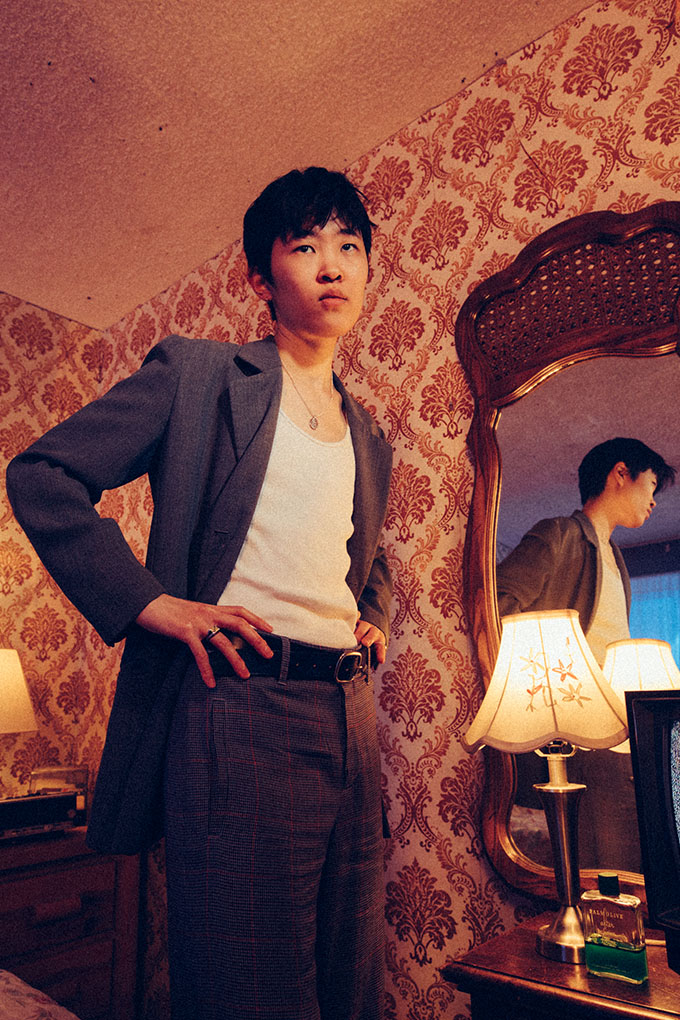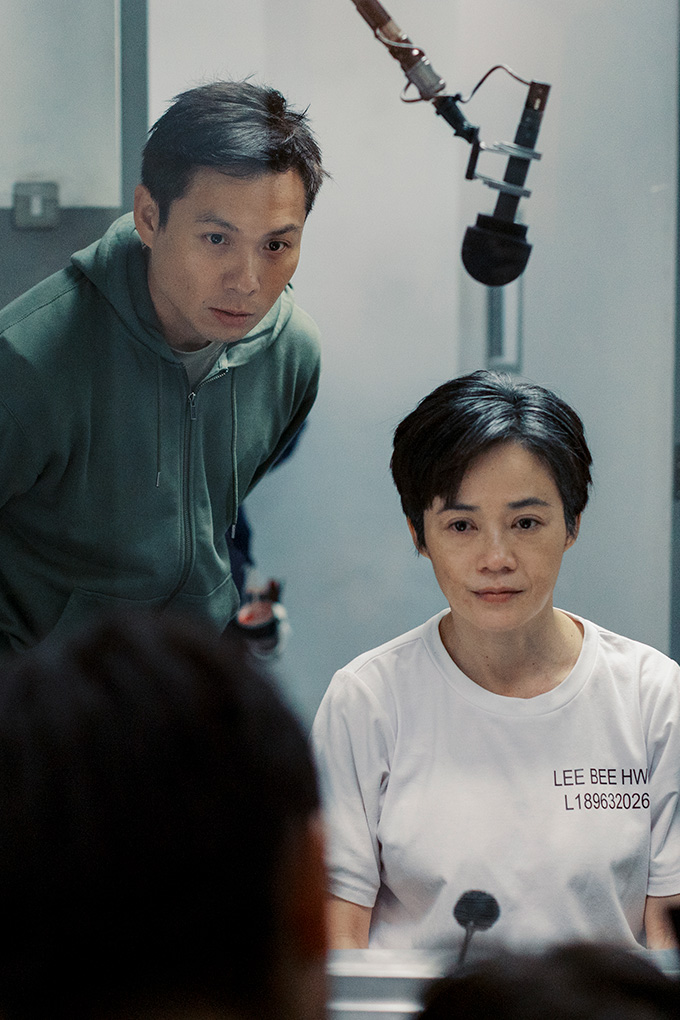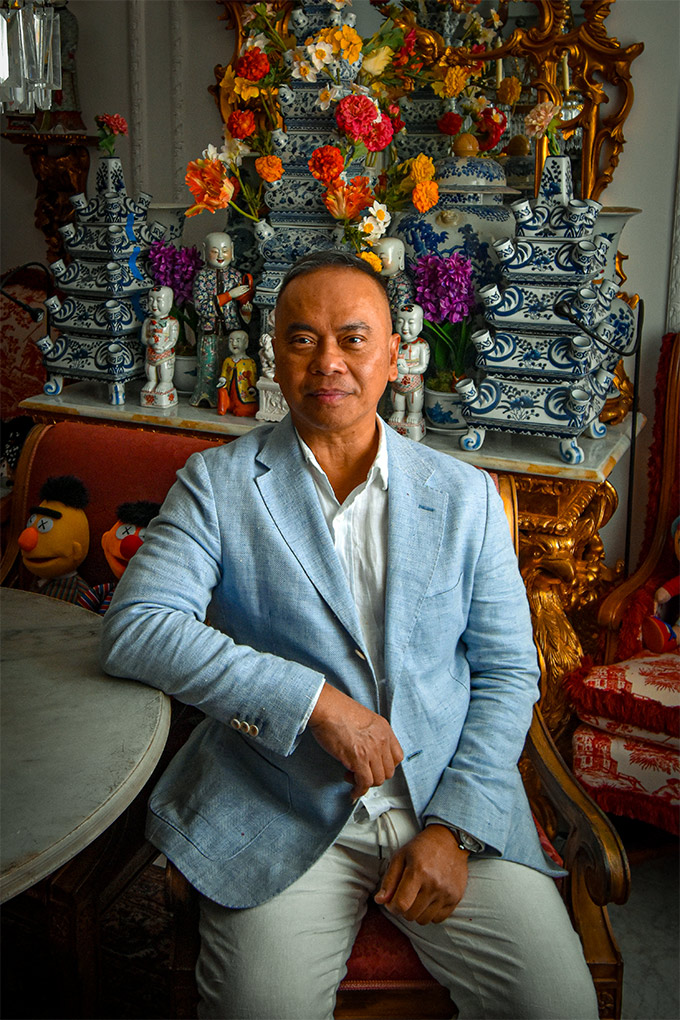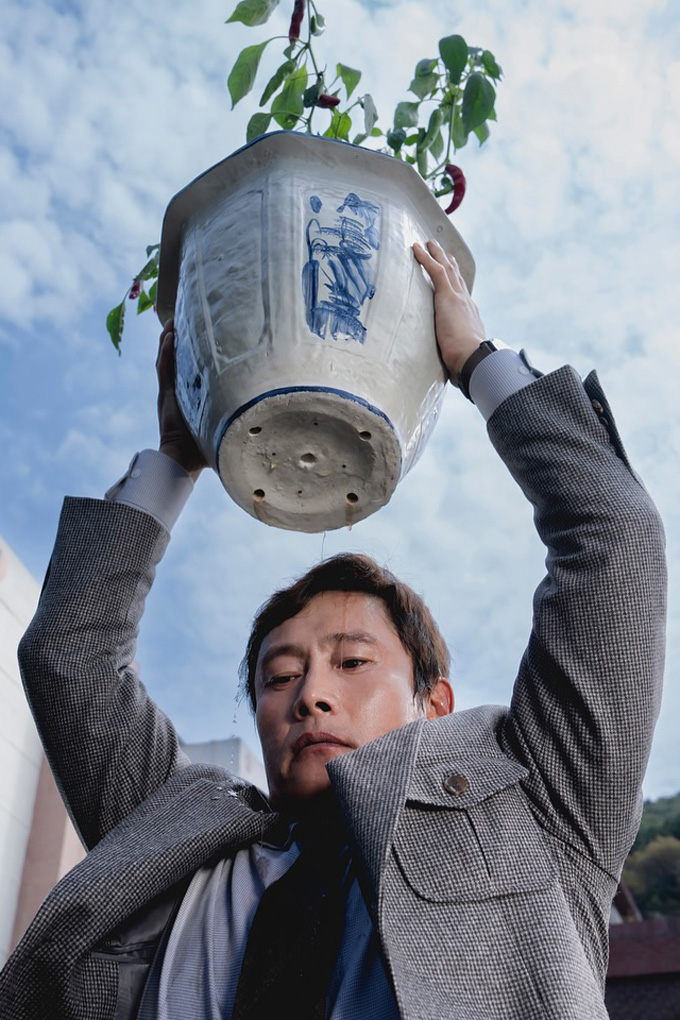
That’s one more masterstroke to add to his growing list of neo-noir tales. Park Chan-wook’s No Other Choice has been making its rounds in the cinema circuits, after its premiere at prestigious film festivals such as Venice Film Festival, Toronto International Film Festival as well as with a notable opening at the Busan International Film Festival. As one of the most established auteurs in South Korean cinema, the anticipation surrounding his latest film—the first since romance mystery thriller Decision to Leave in 2022—certainly has bite, and even better reception still.
Led by Lee Byung-hun as Man-su, a paper specialist who has lost his job in the advent of technology and AI, as well as Son Ye-jin as his adoring wife, Miri, No Other Choice is absurd, humorous and satirical all at once—a tragicomedy that deals with extremely relatable concerns like how skilled people are swiftly being replaced in our generation of AI. Subsumed in his signature idiosyncratic aesthetic, it manages to remain fresh and unexpected for the contemporary viewer, showcasing some astute directional work by Park.


It’s certainly one more for the books, from a director who has carved out a name for himself in the industry, best known for the neo-noir genre. Whilst No Other Choice takes a more absurdist approach—away from the gritty, weighty matter of his earlier vengeance thrillers such as the seminal Oldboy—it is still very much up Park’s alley, for its stylistic nature alone. After all, it comes from the auteur who once birthed The Handmaiden, the queer period thriller film that has achieved cult status for every cinephile out there. Amid the release of No Other Choice in cinemas, we chart some of Park’s best works throughout his career, starting from films like the poignant Joint Security Area to the Vengeance trilogy, which all dealt with the moral ethics of revenge and violence.

1 / 8
Decision to Leave (2022)
Hitchcock influences are peppered through this screen number—and so does a disturbing sense that something is about to go really wrong. The brilliant Tang-wei portrays Seo-rae, the widowed wife of a man who had fallen off a mountain, whilst detective Hae-jun, played by Park Hae-il, has been tasked with uncovering the truth behind the supposed suicide. The more Hae-jun stakes out to watch Seo-rae, the more he is enthralled by her being. Passion and obsession breeds, in direct contrast to his rather loveless marriage. Through the stylistic eye of Park, it’s of note that this film also rewarded Park a Best Director win at Cannes Film Festival in 2022.

2 / 8
The Handmaiden (2016)
A lush sapphic, erotic thriller that twists and turns, building suspense as you go along. If there’s one film that is unanimously agreed upon as one of Park’s best works, it would be this. Set in the 1930s, it follows the ploy of one man’s attempt to seduce a Japanese heiress (Kim Min-hee) out of her inheritance, with the help of a newly-employed handmaiden (Kim Tae-ri). Delivered in three acts, this psychological thriller is subsumed in mystery and atmospheric tension, with each act revealing a plot twist more shocking than the last.

3 / 8
Thirst (2009)
Thirst is peak cinema. A mindbending take on the vampire film, this picture combines Park’s brilliantly alternative eye behind a camera lens with a beloved genre, one that we always return to. Faith and humanity is challenged, as Song Kang-ho’s priest character, Sang-hyeon receives infected blood through a transfusion—thus giving him powers and spurring on his grievous passions, one of which includes Kim Ok-bin’s Tae-ju, the wife of a childhood friend and the subject of his affections.

4 / 8
I'm a Cyborg but that's OK (2007)
The zany world of I’m a Cyborg but That’s OK is not the first film you think of when Park’s name is surfaced, but this psychological drama is a delightful treat for the eyes. Helmed by Lim Soo-jung as Young-goon, a woman who believes she is a cyborg, and K-pop icon Rain, whom she meets in a mental institution, the surreal film may venture on the strange and off-kilter, but it also invites its audience to see the vibrant world of technicolour which exists in their minds.

5 / 8
Lady Vengeance (2005)
One more for the Vengeance series, Lady Vengeance follows the plight of Lee Geum-ja, who was threatened into taking the fall as the murderer of a young boy, after a kidnapping gone wrong. 13 years later, she is released and begins her path to revenge, as she tracks down the real culprit, who happens to be her former teacher, Mr Baek.

6 / 8
Oldboy (2003)
Arguably one of the most recognisable South Korean films, Oldboy is the quintessential revenge thriller that Park has since become associated with. Oh Dae-so, played by the inimitable Choi Min-sik, wakes up to find himself suddenly imprisoned in a private cell one day, with no rhyme or reason as to why—but his plight worsens upon news of his wife’s murder. After spending 15 years in solitary confinement, he is then suddenly released with clothes, money and a mobile device, spurring on his desire for revenge.

7 / 8
Sympathy for Mr Vengeance (2002)
Sympathy for Mr Vengeance walked so Oldboy could run. The film revolves around the unfortunate tragedy of Ryu, played by Shin Ha-kyun. He’s a mute factory worker who is in desperate need of the funds to afford a kidney transplant for his ill sister, but after a series of bad decisions, he’s not only lost money, he’s also lost his own kidney to the black market. Following the advice of his anarchist girlfriend (Bae Doona), he resorts to kidnapping the daughter of his former boss’s daughter, leading to an endless cycle of revenge and tragedy.

8 / 8
Joint Security Area (2001)
One of the auteur’s most iconic works would have to be Joint Security Area. Less stylised than his other films but helmed by popular A-listers Lee Byung-hun and Song Kang-ho, it is a poetic tale of unlikely friendship based in one of the most politicised areas of the Korean peninsula, the DMZ. Centred around the murder investigation of two North Korean soldiers, a series of highly-charged events sets off, with fingers being pointed at South Korea’s soldiers. Yet its true charm lies in its humanity, as it deals with the delicate side of a subject matter that usually deals with strongly nationalistic overtures.